

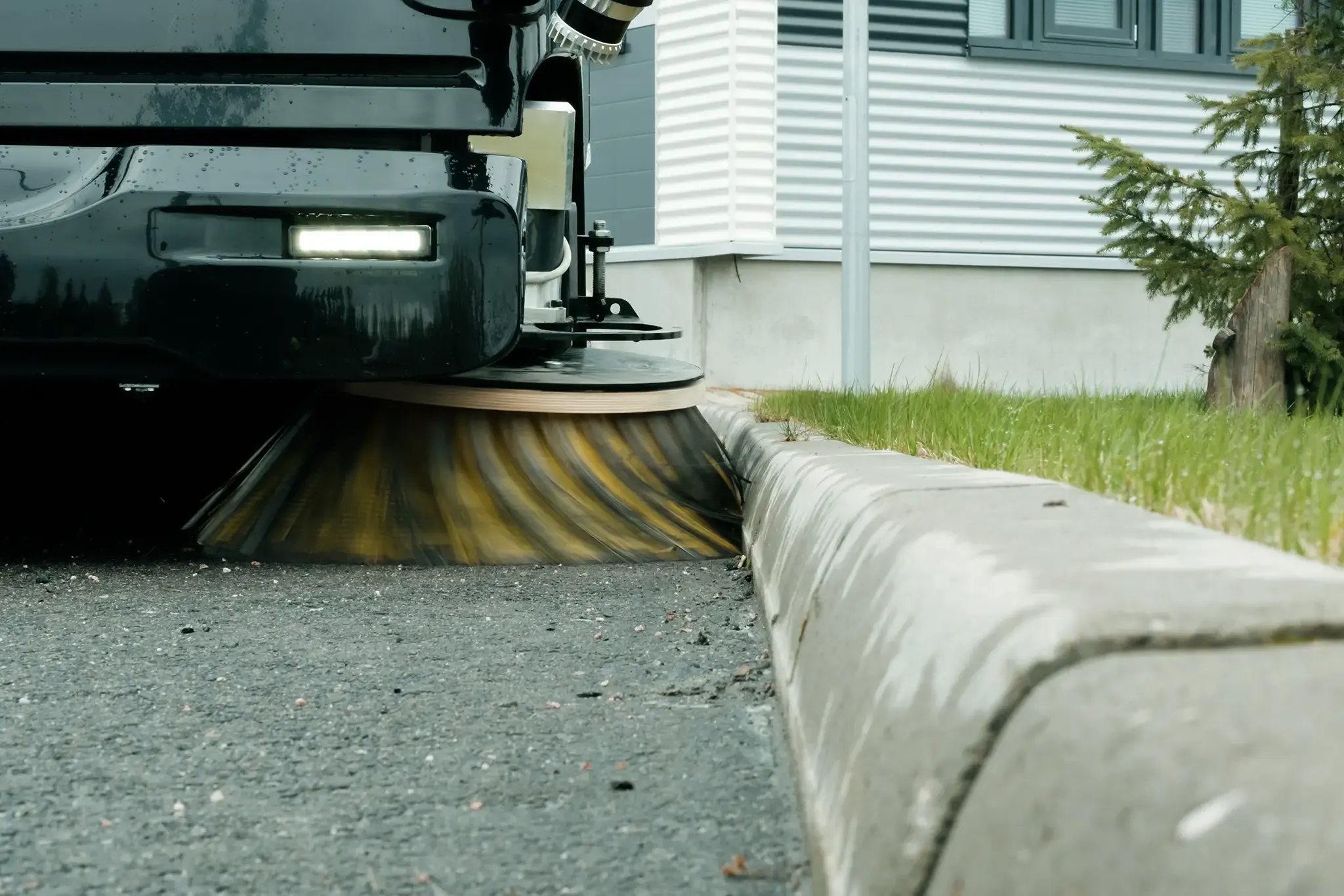
Sweeping is emerging as one of the most practical starting points for yard automation, largely because it involves repetitive tasks, predictable routes and clearly defined working areas. Unlike more complex yard operations, sweeping can be automated with relatively little disruption to existing workflows, allowing businesses to maintain cleaner, safer sites while making better use of their workforce. For industrial and commercial facilities, autonomous sweepers offer up a tangible introduction to automation, with benefits extending from more consistent cleaning schedules to improved day-to-day efficiency.
Why Sweeping Is a Natural Starting Point for Yard Automation
For all the moving parts of a busy industrial yard, sweeping is a gloriously consistent task. Dust, grit and debris accumulate day in and day out, often in the same areas, demanding regular attention regardless of whatever else is happening out there in the field.
Unlike operations that involve handling unpredictable loads or coordinating complex vehicle movements, yard sweeping can often be organised around defined routes, designated cleaning zones and recurring schedules, making it particularly well matched to automation. For businesses, this presents a no-fuss opportunity to introduce newer technologies gradually, without fundamentally changing how the wider site operates. Rather than dedicating staff and conventional equipment to repetitive cleaning rounds, autonomous systems can take on much of the monotonous, routine work, freeing up time and resources for tasks that require a good human eye and a degree of flexibility. Companies such as Trombia Technologies bring this approach into practice by developing autonomous sweeping solutions designed for dynamic (albeit challenging) industrial environments where cleanliness, safety and operational continuity are everyday priorities.
What Makes Yard Sweeping Easier to Automate Than Other Outdoor Tasks
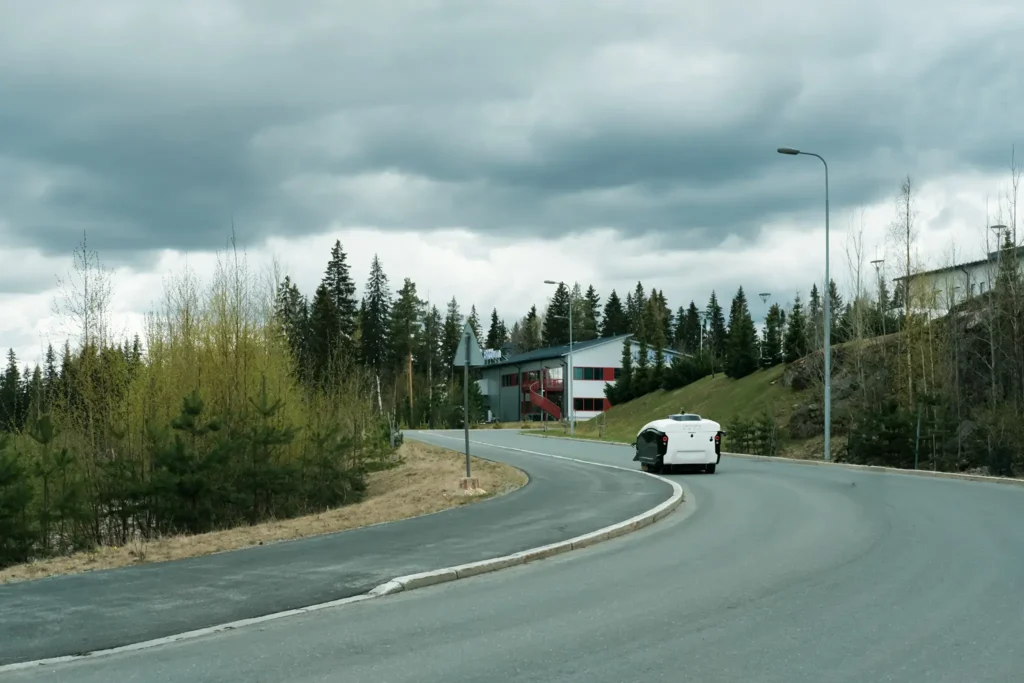
Industrial yards are busy, unpredictable, and wildly chaotic places for the most part, but the routes required to keep them clean remain often surprisingly untouched. Unlike tasks involving complex material handling or constantly changing destinations, sweeping can typically be organised around pre-mapped routes, set working areas and dependable cleaning schedules. This gives autonomous sweepers a relatively sound framework in which to operate. Cleaning zones can be mapped in advance, routes planned around site layouts and sweeping schedules coordinated with quieter periods of activity. Rather than starting at ground zero and navigating an entirely new environment with every assignment, trucks can return to familiar areas, adapting their movements as conditions undoubtedly change over the course of a day.
Of course, even the most carefully mapped yard is never completely static. Forklifts, delivery vehicles, pedestrians and temporary obstacles all introduce an element of the unpredictable, but this is precisely where sensing and detection technology step in. Developments such as Trombia’s autonomous sweeper radar system demonstrate how advanced detection systems can help autonomous equipment identify obstacles and respond to activity in its surroundings. The result is a task that lends itself to the grace of automation while still requiring sophisticated navigation and safety systems to operate in a working industrial environment.
| Yard task | Repetition | Environmental predictability | Navigation complexity | Automation potential |
| Yard sweeping | High | High-medium | Low-medium | High |
| Material transport | High | Medium | Medium-high | High (in structured environments) |
| Loading and unloading | Medium-high | Variable | High | Moderate, depending on site |
| Waste collection | Medium-high | Medium | Medium-high | Moderate-high |
| General maintenance and repairs | Variable | Low | High | Limited for complex tasks |
How Autonomous Sweepers Work in Industrial and Commercial Yards
Autonomous sweepers combine digital mapping, intelligent navigation and onboard cleaning systems to carry out routine yard maintenance with minimal direct human intervention. Once a site has been pinned and its operating parameters established, the sweeper can follow designated routes, avoid all obstacles and complete scheduled cleaning rounds. The process begins with a detailed map of the working environment, identifying roads, loading bays, storage areas and other features of the site. From here, cleaning routes can be planned around operational requirements, including areas with heavier build-up or high traffic.
During operation, onboard sensors continuously monitor the surrounding environment all the while detecting the people, vehicles and unexpected obstacles that pop up around them. The sweeper can then respond according to its navigation and safety systems, whether that means slowing down, taking a pause, or simply adjusting its route. Meanwhile, an integrated sweeping mechanism collects the grit and the grime as it moves through the designated cleaning areas.
Depending on the system and site configuration, autonomous sweepers may also return to a charging station between cleaning cycles, all on their own accord. The technology is especially relevant to logistics hubs, manufacturing facilities, distribution centres, ports and waste management sites, where large outdoor surfaces require frequent attention. In these environments, autonomous sweeping can become part of the site’s everyday to-do list, keeping essential areas clean while teams can sit down and get to work (or, have a longer lunch break).
At Jätekukko’s waste and recycling facility in Kuopio, Finland, Trombia Free is already putting this technology to work. With heavy vehicles, public drop-offs and a constant accumulation of plastics, grit and fine dust, the site presents a demanding environment for routine maintenance. Here, autonomous sweeping follows scheduled routes, with remote monitoring and automatic docking, emptying and charging between cleaning rounds. It’s a really great example of how yard automation can fit into the daily workings of a busy industrial facility.
What Businesses Can Gain From Automating Yard Sweeping
Autonomous yard sweeping can help businesses use their resources more efficiently, maintain consistent cleaning standards and improve safety across industrial sites. For the people responsible for keeping these places running, there’s something incredibly appealing about a task that can largely look after itself. Particularly one that, however diligently completed, will inevitably need doing all over again tomorrow.
In practice, that means a few welcome advantages:
- A better division of labour: With routine cleaning handled autonomously, staff have more time for work that calls for experience, judgement and the very human eye of discernment.
- A great bit more consistency: Rather than relying on occasional cleaning rounds, scheduled sweeping helps maintain a more dependable standard across the site.
- Fewer hazards underfoot: Regular debris removal helps keep working areas and access routes clear, while onboard detection systems support safe operation around other site activity.
- Time on your side: Cleaning schedules can be arranged around the particular demands of a facility, from delivery windows to shift changes, with less interruption to ongoing work.
- Room for expansion: As operational needs evolve, autonomous systems can accommodate additional cleaning areas and routes, provided the equipment and infrastructure are suited to the task.
Solutions such as Trombia Free bring autonomous maintenance into the everyday workings of industrial sites. After all, there’s plenty of work worth making a fuss over. Sweeping needn’t be one of them.
What Needs to Be Solved Before Yard Sweeping Becomes Fully Autonomous
Autonomous yard sweeping is already a practical option for industrial and commercial sites, but fully independent operation still depends on overcoming challenges around navigation, safety, weather and maintenance. For all the sophistication of modern autonomous technology, the outside world remains rather less inclined to follow instructions. Take the weather, for instance. In northern climates, snow, ice, heavy rain and fluctuating temperatures can affect traction, visibility and cleaning performance. Uneven surfaces, temporary obstructions and changing site layouts add their own complications. A carefully mapped route is all well and good until someone decides it’s the perfect place to park a cherry picker. Then there’s the matter of sharing the yard. People, delivery vehicles and heavy machinery have their own schedules, and none of which can be expected to arrange themselves around a sweeper. Reliable obstacle detection, clearly defined operating zones and appropriate safety procedures are essential to making autonomous equipment a safe and useful presence in such busy environments.
Even the most independent machine still needs looking after. Depending on the system, emptying collected debris, inspecting cleaning components, managing charging arrangements and attending to unexpected faults may all require human involvement. Autonomy, it turns out, doesn’t necessarily mean never having to lift a finger. For businesses, the challenge is therefore as much about fitting the technology into the workings of a site as it is about the technology itself. Every facility has its particular habits, hazards and logistical peculiarities, all of which need to be considered before autonomous equipment can be left to get on with the job.
As the technology develops and comes into its own, the scope for independent operation will continue to expand. We’re still at the growth edge, but we’re here all the same. After all, there’s no need to automate the entire yard in one fell swoop. One good sweep will do for a start.

Frequently Asked Questions About Automated Yard Sweeping
How much does an autonomous yard sweeper cost?
The cost of an autonomous yard sweeper depends on the equipment, site requirements and level of automation involved. Beyond the initial investment, businesses should consider installation, mapping, charging infrastructure, maintenance and ongoing support. Comparing the total cost of ownership with conventional sweeping methods can help establish whether automation offers long-term operational value.
Can autonomous sweepers operate around people and vehicles?
Yes, autonomous sweepers designed for industrial environments can operate in areas shared with pedestrians and vehicles, provided appropriate safety systems and operating procedures are in place. Technologies such as radar and other onboard sensors help detect obstacles and respond to changeable conditions. Safe operation however, depends on site-specific risk assessments, clearly defined operating zones and the capabilities of the equipment.
How long can an autonomous sweeper operate on one charge?
Battery runtime varies depending on a few moving parts such as the model type, battery capacity, cleaning intensity, terrain and operating conditions. Some autonomous sweepers can return to charging stations between cleaning rounds, allowing businesses to plan maintenance around available battery capacity. For accurate operating times and peace of mind, it’s best to consult the manufacturer’s specifications and assess the requirements of the particular site.
Can autonomous yard sweepers operate in cold climates like Finland?
Autonomous yard sweepers can operate in colder climates, although their performance depends on the equipment and prevailing weather conditions. Low temperatures can affect battery efficiency, while snow, ice and heavy rains may present challenges for navigation, traction and cleaning performance. Businesses operating in northern climates should check in with the manufacturer’s recommended operating conditions and assess seasonal requirements before introducing autonomous equipment.

